Articles October 6, 2026
2026 Consumer Research: The New Rules of Al Adoption


Research Methodology
Download the Full Research
Learn MoreUncertainty doesn't stop Al usage.
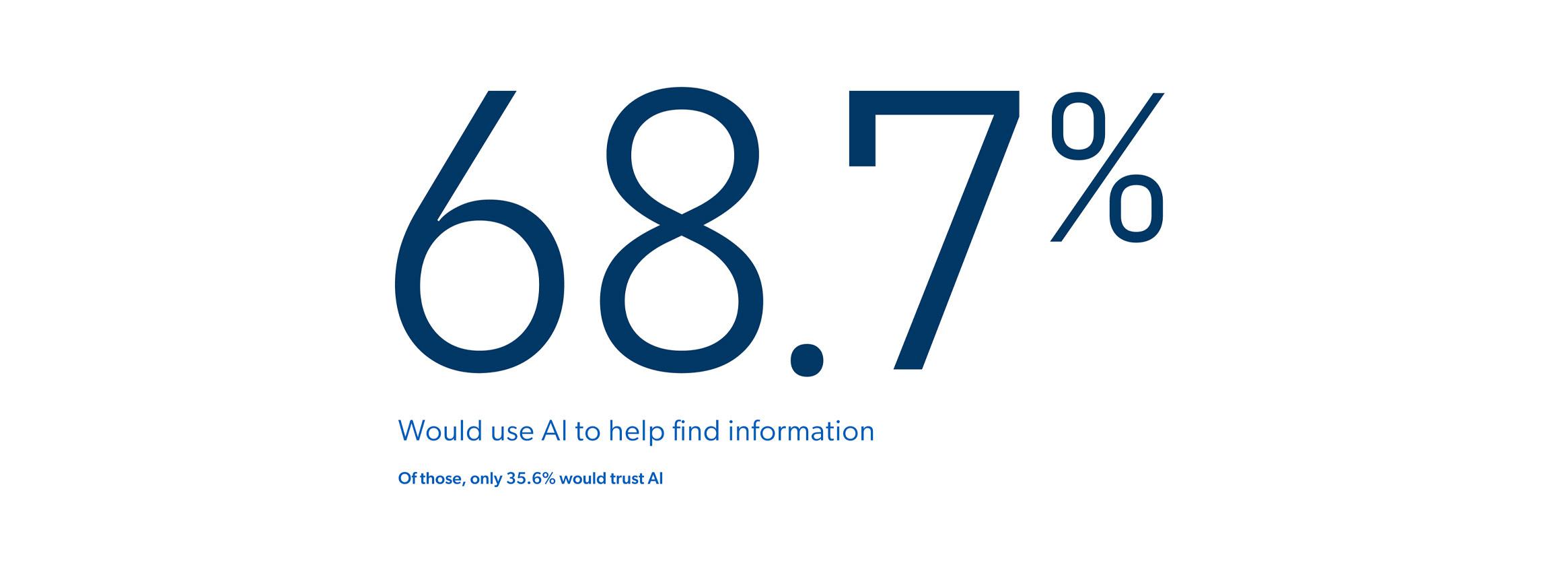
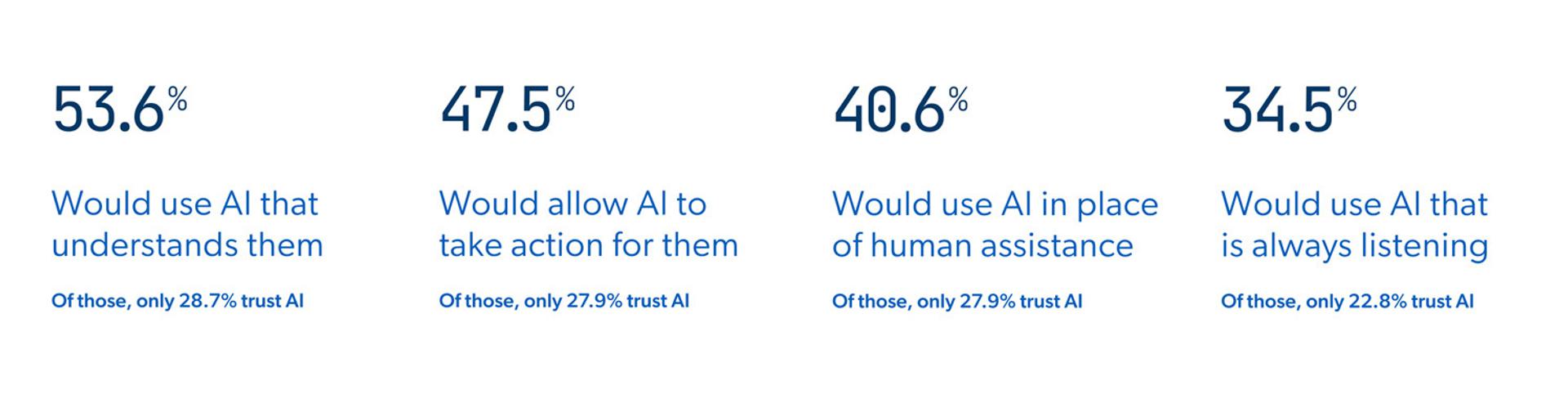
Consumers aren't waiting to fully trust Al before they use it. When Al delivers clear, meaningful value, people are willing to engage even when trust is still developing.
Explore the four consumer behavioral segments from our 2025 Research.
Learn MoreEven engaged users are concerned users.
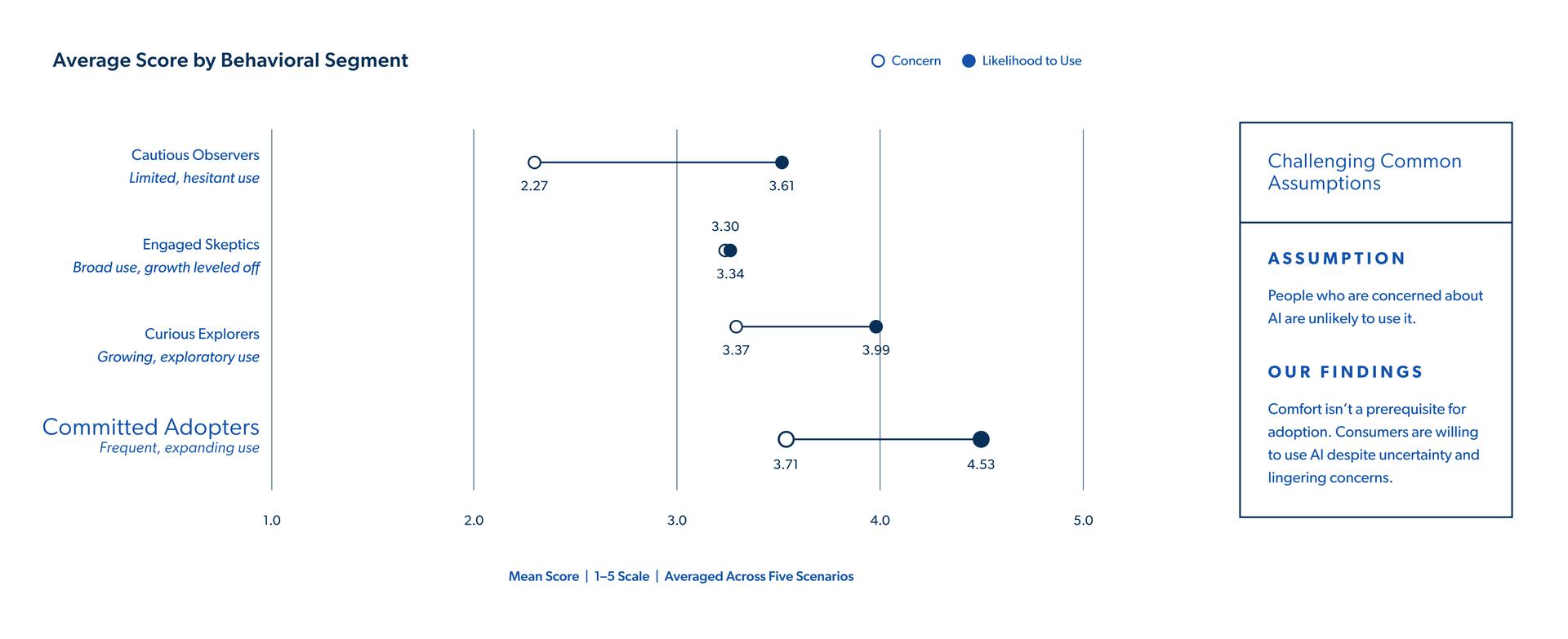
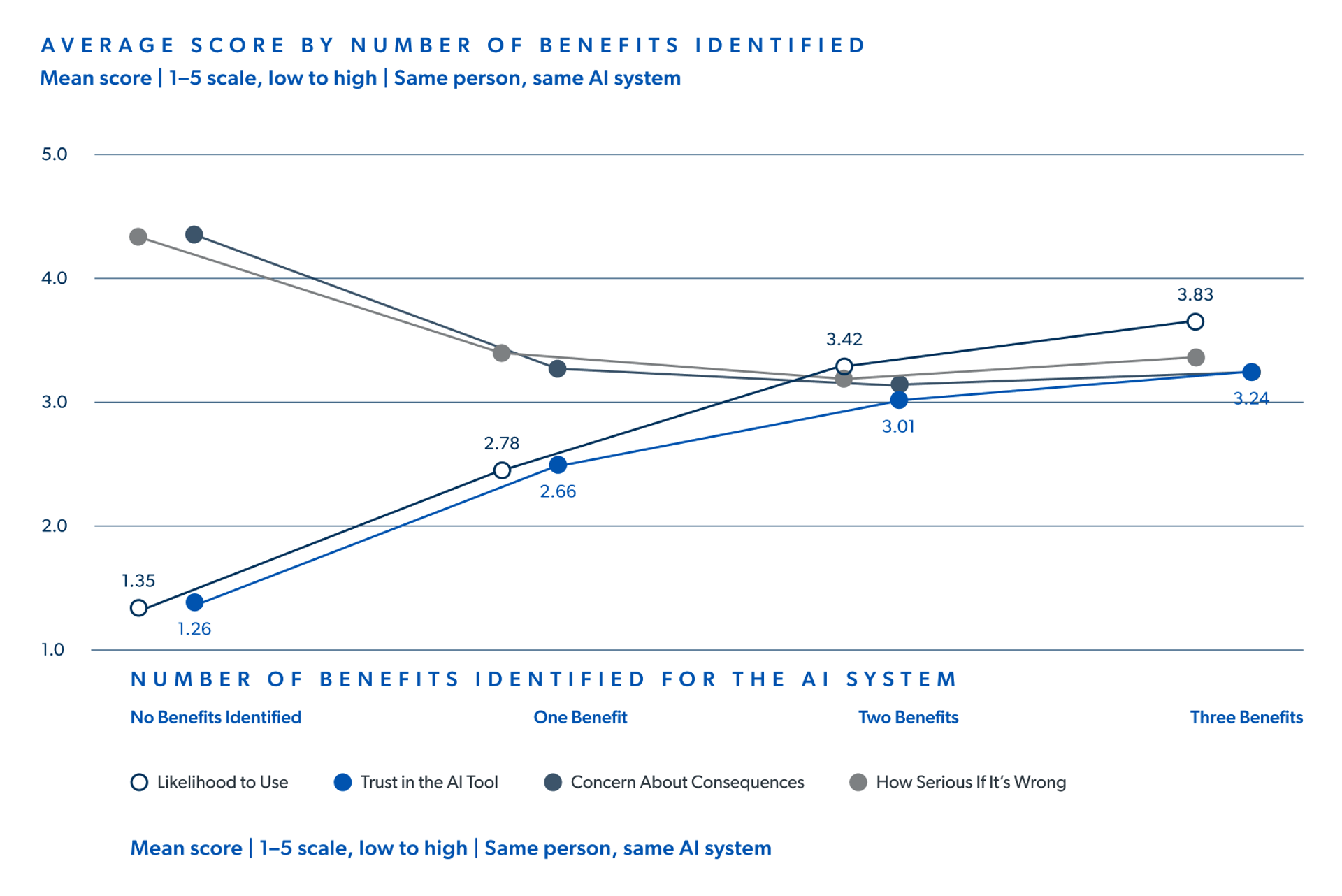
Value motivates higher usage.
Seeing value can motivate greater AI use, even while uncertainty remains.
Consumers who identify more benefits report greater willingness to use and trust Al. Concern about negative consequences remains elevated.
But higher usage hasn't become habit.
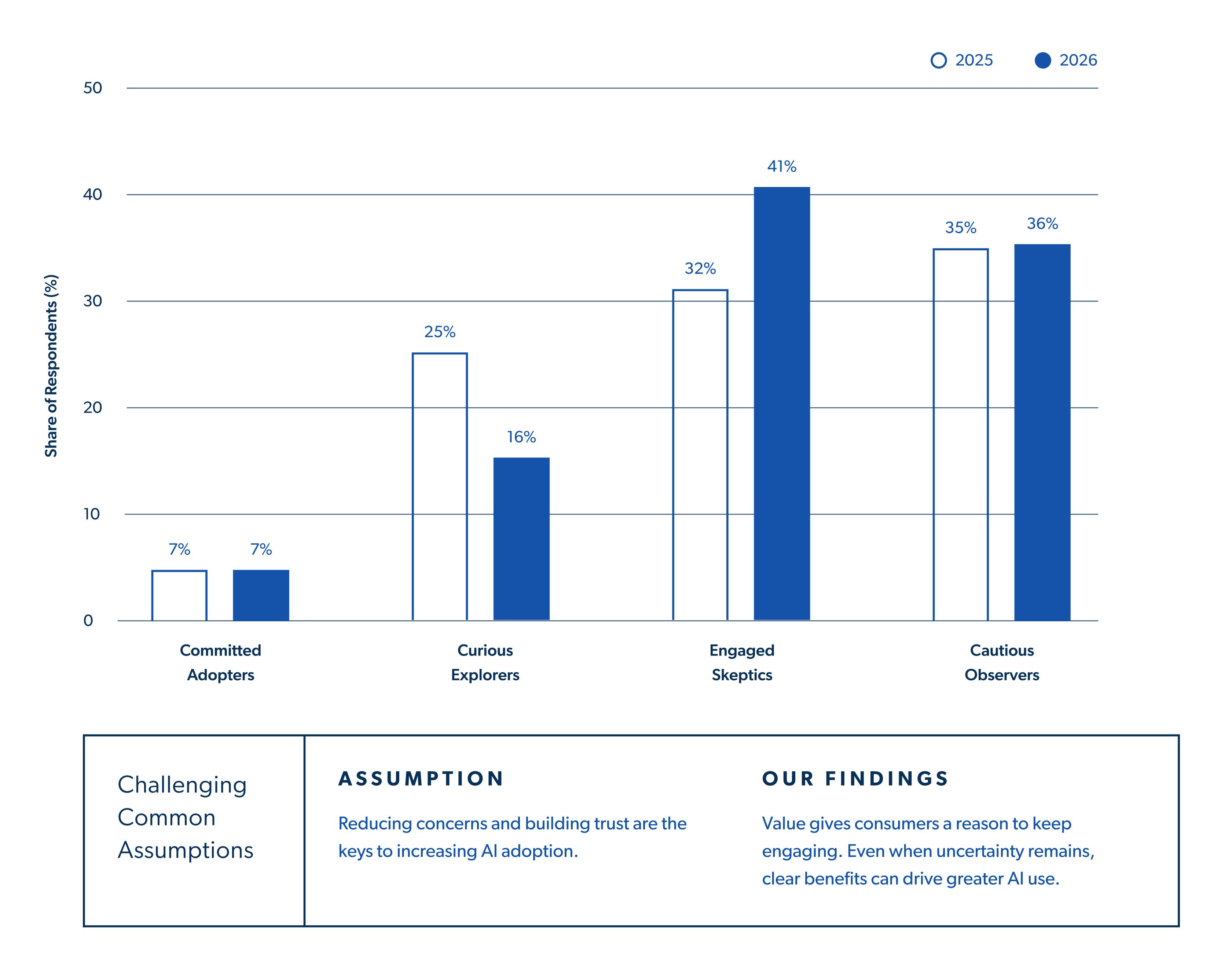
88% of Engaged Skeptics see a use for Al, if it delivers meaningful value.
The opportunity is with people who are already using Al, but have not committed.
Engaged Skeptics now make up the largest share of consumers. The challenge for businesses isn't simply getting them to try Al. It's proving enough value to keep them coming back.
Commitment requires control.
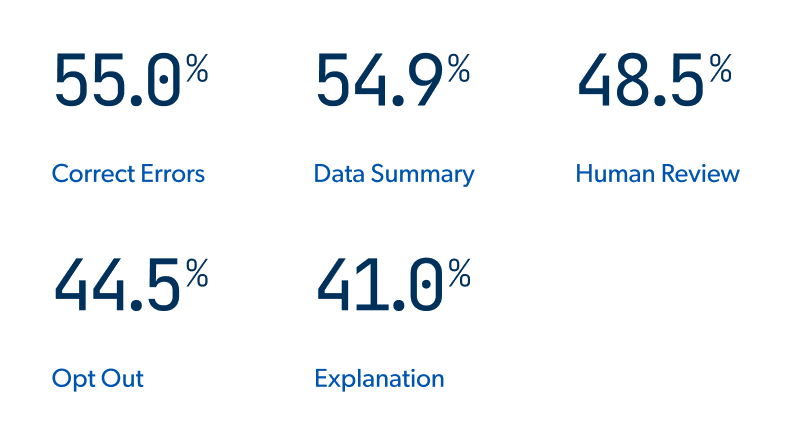
Requesting safeguards is a sign of engagement, not resistance. 54.2% of consumers who expect at least one safeguard would use the Al system, compared with just 5.3% of those who expect none.
Willingness is highest among consumers expecting three safeguards.

Commitment requires control.
Requesting safeguards is a sign of engagement, not resistance. 54.2% of consumers who expect at least one safeguard would use the Al system, compared with just 5.3% of those who expect none.
Willingness is highest among consumers expecting three safeguards.
The Controls They Ask For
The same lesson applies at work.
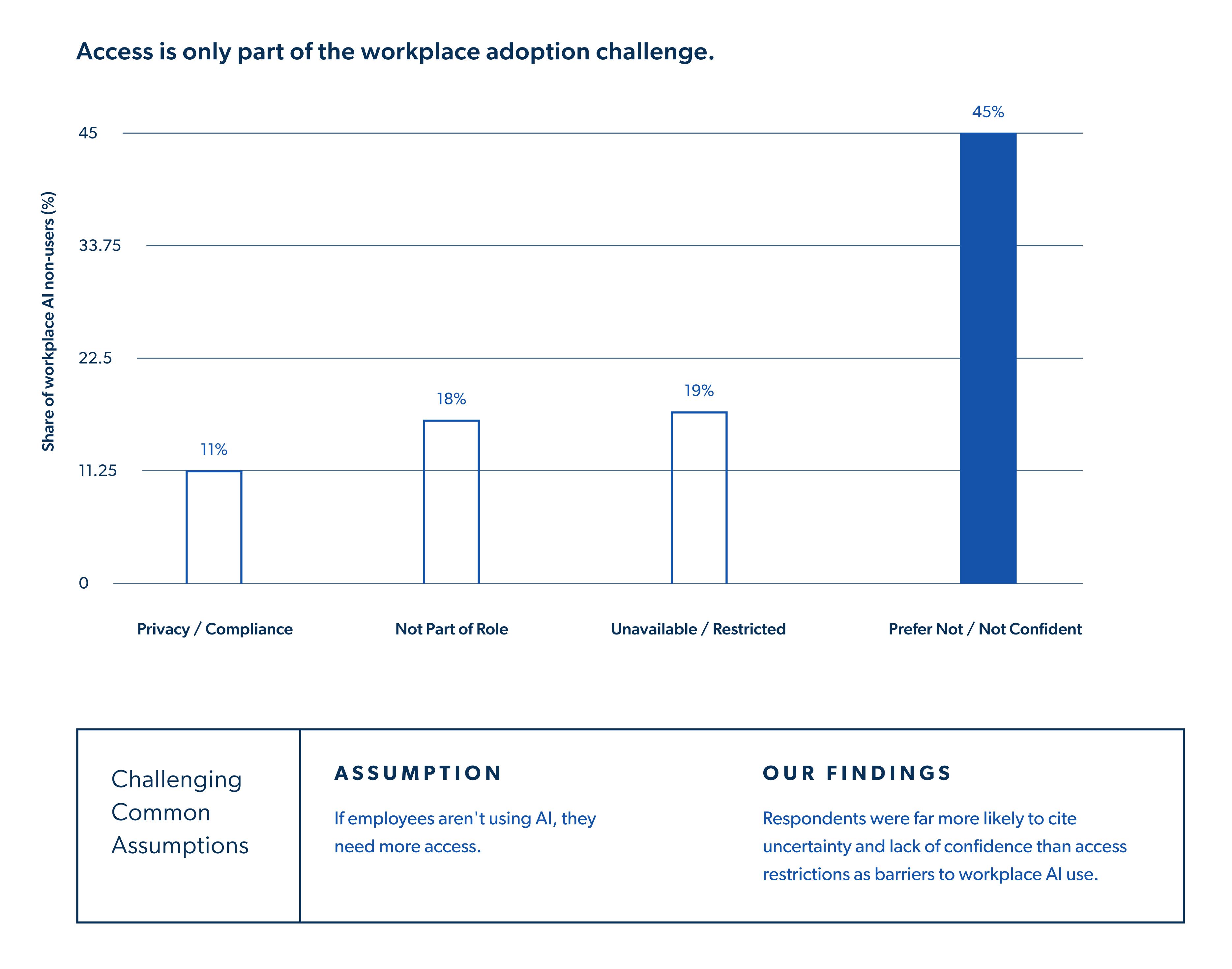
Making Al available is only part of the adoption challenge.
Among employed respondents who don't use Al at work, 35.2% chose not to use it and 19.3% cited unavailable or restricted access. Others cited reasons including role relevance and privacy or compliance considerations.
Making tools available creates access. Sustained workplace use also depends on connecting Al to relevant work, clarifying accountability and giving employees meaningful control.
Access is only part of the workplace adoption challenge.
Lead with value. Build in control.
Download the Full Research
Learn MoreRelated Insights